
Healthy Hair Care Tips: How To Look After & Keep Your Hair Healthy
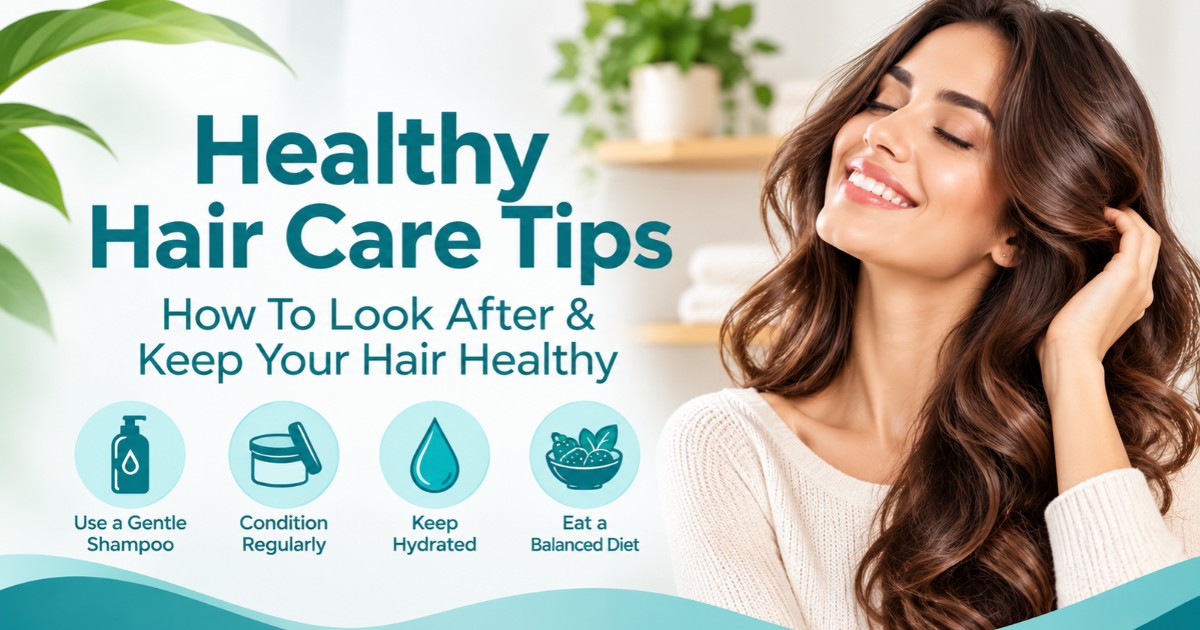
There are a range of factors that go into having healthy hair. Having a healthy diet, keeping your scalp clean, avoiding heat styling, and looking after it as part of your hair care routine can all contribute to having healthy hair. Frequent heat styling, harsh chemical treatments, poor diet, and being rough with your hair can cause your hair to become weak. With a few consistent changes, you can reduce avoidable damage and learn how to keep hair healthy, strong, and manageable.
Key Takeaways
- Choose your shampoo and conditioner based on your hair type and scalp.
- Avoid heat styling, chemical treatments, and tight hairstyles.
- Include protein, iron, zinc, and healthy fats in your diet.
- Be gentle with your hair when it is wet.
- Ensure your scalp is kept clean and your hair protected from the environment.
- Seek professional advice if you are experiencing ongoing hair thinning and/or excessive shedding.
What Causes Weak and Damaged Hair?
Having weak/damaged hair can be caused by a number of everyday factors. Frequent coloring, bleaching, heat styling, over-brushing, and tight hairstyles can weaken the hair shaft. Inadequate nutrition and certain health conditions may also affect hair growth and strength. Understanding what is damaging your hair helps you make better choices and build a routine that supports healthier-looking strands.
How To Keep Your Hair Healthy
By making some small changes, you can help avoid breakage. Here are 10 tips you can do to help keep your hair care routine simple.
1. Use a Gentle Shampoo & Conditioner
Choose a shampoo based on your scalp type. Try to wash your hair when it becomes oily or dirty. Apply shampoo to your scalp and wash out any excess oil. Follow with a conditioner to help make your hair softer, less tangled, and easier to manage. Choose a shampoo and conditioner based on your hair type.
2. Avoid Heat Styling
Using a straightener, curler, or hot dryer frequently can weaken your hair and make it more prone to breakage. Try to let your hair dry naturally, and if you must use heat styling tools, choose the lowest effective temperature. Applying a heat protection product before styling can also help minimise damage. Reserve heat styling for occasions when you really need it.
3. Eat A Balanced Diet
Eating enough nutritious food helps support healthy hair growth. Include plenty of protein-rich foods, leafy vegetables, fruits, whole grains, nuts, and seeds in your daily meals. Adequate intake of iron, zinc, and essential vitamins also supports normal hair health. A balanced diet provides the nutrients your body needs to maintain healthy hair while supporting your overall well-being.
4. Gently Massage Your Scalp
Gently massaging your scalp can help to relax you and make your hair care routine more pleasant. Try using your fingertips and not your nails. Be gentle with your hair and don’t tug or rub. This can cause breakage. Massaging your scalp isn’t proven to help with hereditary hair loss and shouldn’t replace medical treatments.
5. Avoid Tight Hairstyles
Wearing tight hairstyles such as tight ponytails, buns, braids, and extensions can cause tension on the hair follicles. This can cause traction alopecia. Try to wear loose hairstyles. Avoid hairstyles that cause pain. Give your hair a break from extensions and tight hairstyles.
6. Limit Chemical Treatments
Doing too much bleaching, coloring, relaxing, and perming can cause your hair to become weak. Try not to do multiple treatments too frequently. Follow the professional’s instructions for applying the products. Give your hair enough time between treatments. Use the right conditioner to keep your hair manageable. If your hair is feeling very dry, try to reduce chemical treatments.
7. Be Gentle When Brushing
Brushing your hair too roughly can put unnecessary tension on the strands, making them more likely to break. To prevent damage, gently detangle your hair by starting at the ends and gradually moving towards the roots. Use a wide-tooth comb when your hair is wet, as it is more vulnerable to breakage, and avoid excessive brushing throughout the day.
8. Keep Your Hair & Scalp Clean
Keeping your hair clean will help remove sweat, excess oils, dead skin cells, and build-up from your styling products. How often you wash will depend on how oily your scalp gets, your hair type, and lifestyle. Gently apply shampoo to your scalp and rinse thoroughly. If you are getting constant itchiness, flakiness, or irritation, consult a dermatologist.
9. Protect Your Hair From The Sun
Exposure to the sun, pollution, dirt, and chemicals from pools can all affect your hair. Try to wear a hat or scarf if you are outside for long periods of time. After swimming, rinse your hair thoroughly with clean water to remove chlorine, salt, and other residues that may leave your strands dry or brittle. You can also use suitable hair protection products when required. These steps can help maintain your hair’s condition and manageability.
10. Trim Split Ends
Split ends occur when the outer layer of your hair shaft becomes damaged. Once your hair has split, there is nothing that can fix it, and it may cause the damage to be further up your hair. Regular trimming will help remove the damaged ends and give your hairstyle a neater look. It won’t speed up your hair growth but will reduce the appearance of frayed ends.
The Best Foods For Strong & Healthy Hair
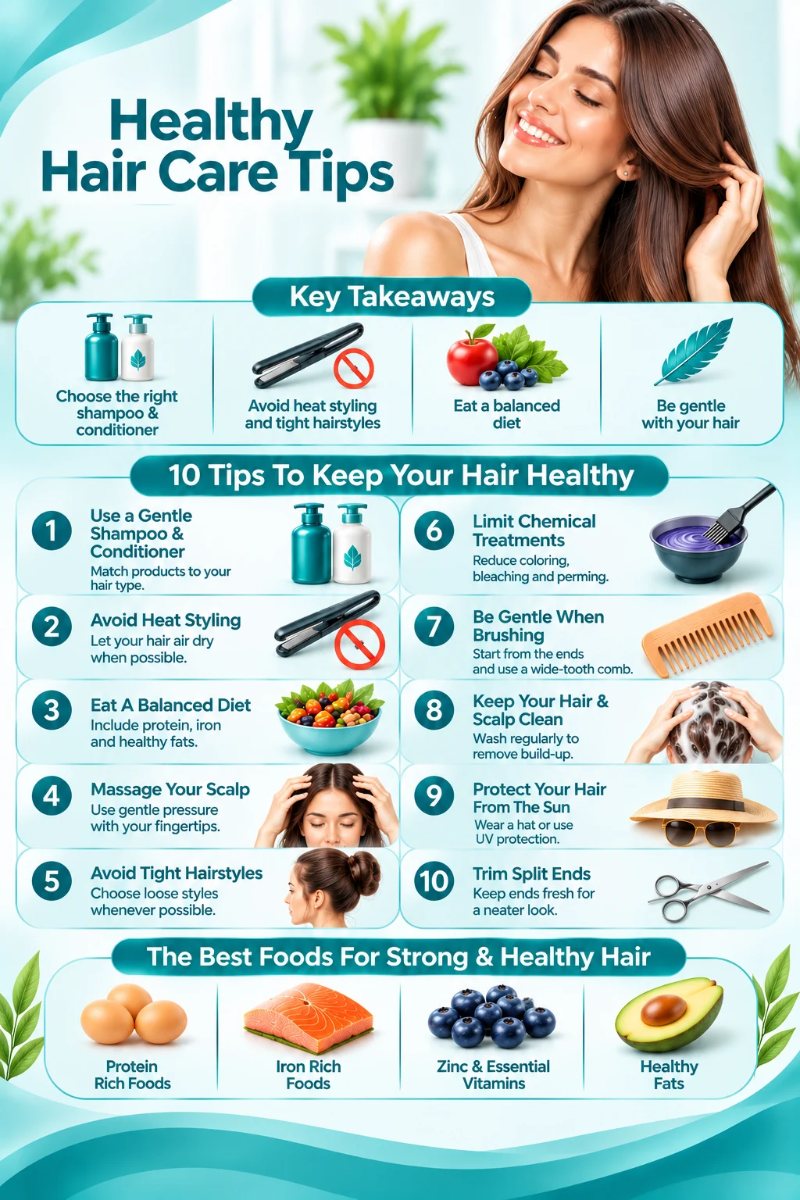
Eating a healthy diet can help with keeping your hair growing normally and keep it strong. As hair is mainly made up of a protein called keratin, there are many nutrients that can help your body to grow your hair. Try to include a variety of protein-rich foods, iron-rich foods, essential vitamins, and healthy fats.
1. Protein Rich Foods
Protein helps to provide the building blocks for keratin, which is the main structural element in hair. Try to include eggs, fish, chicken, dairy products, lentils, beans, and soya products. If you aren’t eating enough protein regularly, it could cause issues. Try to have a balanced amount throughout your meals.
2. Iron Rich Foods
Iron helps to carry oxygen through your body via your red blood cells. This helps to supply oxygen to parts of your body that help with hair growth. Try to include foods such as spinach, lentils, chickpeas, beans, meats, and iron-fortified cereals. If you are eating plant-based iron-rich foods, pair them with foods high in vitamin C such as citrus fruits or tomatoes. If you think you may be lacking in iron, seek medical advice.
3. Zinc & Essential Vitamins
Zinc helps with many processes relating to tissue growth and repair. Vitamins help keep your cells functioning normally. Try to include nuts, seeds, wholegrains, eggs, dairy products and coloured vegetables. Generally, you will get lots of nutrients from eating a variety. Don’t take high-dose hair supplements unless advised by a professional, as you could be putting your body at risk by having too much of certain vitamins and minerals.
4. Healthy Fats
Healthy fats can help with your overall nutrition and help your body absorb fat-soluble vitamins. Try to include foods like walnuts, flaxseeds, chia seeds, fatty fish, and avocados. Omega-3 fatty acids are very useful. Try to include a variety of sources.
How To Create a Simple Daily Hair Care Routine
Try to create a simple hair care routine that works with your scalp, hair type, and lifestyle. Keep your scalp clean, use conditioner where needed, and gently detangle. Avoid using too much heat and protect your hair when outside. There is no need to complicate things. Focus on being consistent and using the right products.
Simple Natural Tips To Help Strengthen Your Hair
Try to eat a balanced diet, stay hydrated, get enough sleep, manage your stress, and avoid too much heat or chemical treatments. Gently massaging your scalp and using the right conditioner may help make your hair more comfortable to manage. However, natural remedies won’t help with every cause of thinning hair. Consult a dermatologist if you experience ongoing shedding, bald spots, or scalp irritation.
Conclusion
By being consistent with your hair care routine, you can help your hair to stay strong and healthy. Keeping your hair clean, eating a balanced diet, taking care when styling, and keeping your scalp clean can all help to avoid avoidable damage and breakage. When trying to learn how to keep your hair healthy, focus on building some habits you can stick to. If you are still experiencing thinning or excessive shedding, see a hair specialist to find out the cause and discuss the best care/treatment for your hair.
FAQs
1. How often should I wash my hair?
There isn’t a set number of times to wash your hair. Wash your hair based on how oily your scalp is, your hair type, and how active you are. Oily hair may need washing more frequently.
2. Will oiling my hair strengthen it?
Oiling your hair can help to make it softer, reduce friction, and make it easier to manage. However, it won’t help with every cause of hair loss and won’t speed up your growth. Choose an oil that suits your hair and scalp.
3. Can shampoo cause breakage?
Using harsh products, rubbing too much, and using the wrong products can cause dryness and breakage. Try to apply shampoo to your scalp. Rinse thoroughly and use conditioner.
4. How can I avoid breakage & split ends?
Avoid using too much heat/chemicals, tight hairstyles, and gently detangle using the right comb. Regular trims will help to remove split ends. Using conditioners will help reduce friction.
5. How quickly will I see improvements in my hair strength?
With a consistent hair-care routine, you may notice that your hair feels softer and becomes easier to manage within a few weeks. However, reducing breakage and improving the overall condition of your hair takes time and regular care. Since hair grows gradually, visible improvements in its length and strength may take longer.
6. When should I seek treatment for thinning hair?
If you are experiencing ongoing shedding, wider parting, visible scalp, bald spots, or a receding hairline, see a dermatologist or hair specialist. This can help to identify the cause and if you need medical treatment.